

05/07/2026
The Bill That Might Actually Move
Hosts Justin and Dingo discuss the CLARITY Act, the US government's major effort to define how crypto - especially stablecoins - fits into the traditional financial system.

For anyone who pays attention to macroeconomic news and global monetary policy, the rumblings of the Japanese carry trade beginning to unwind have become increasingly hard to ignore. So what is the Japanese yen carry trade? On its face, it’s a fairly simple concept. Investors borrow yen at a very low interest rate and convert the borrowed funds into various higher yielding assets or currencies. The profit from this behavior is realized through the difference between the interest rate being borrowed at and the rate of return on the purchased assets. Because Japan has deeply liquid money markets it allows investors to borrow enormous amounts of Yen at a near zero interest rate and reposition them into foreign bonds, equities, real estate, cryptocurrency, and other risk-on assets.
This all began in the 1990’s when the Japanese asset price bubble burst. In an effort to combat Japan falling into a deep recession and the deflation of the yen, the Bank of Japan cut interest rates to almost zero. This incentivized investors to borrow large amounts of yen at an extremely low cost for capital. This trend has continued and grown through the 2000’s and into the 2020’s. So we’re now facing almost 30 years of virtually free money that has been parked in various assets around the globe. This has been extremely impactful to the global economy helping to prop up asset prices around the world and compress yields, which in turn, incentivizes more borrowing and consumption of risk on assets. But what happens when the other shoe drops?
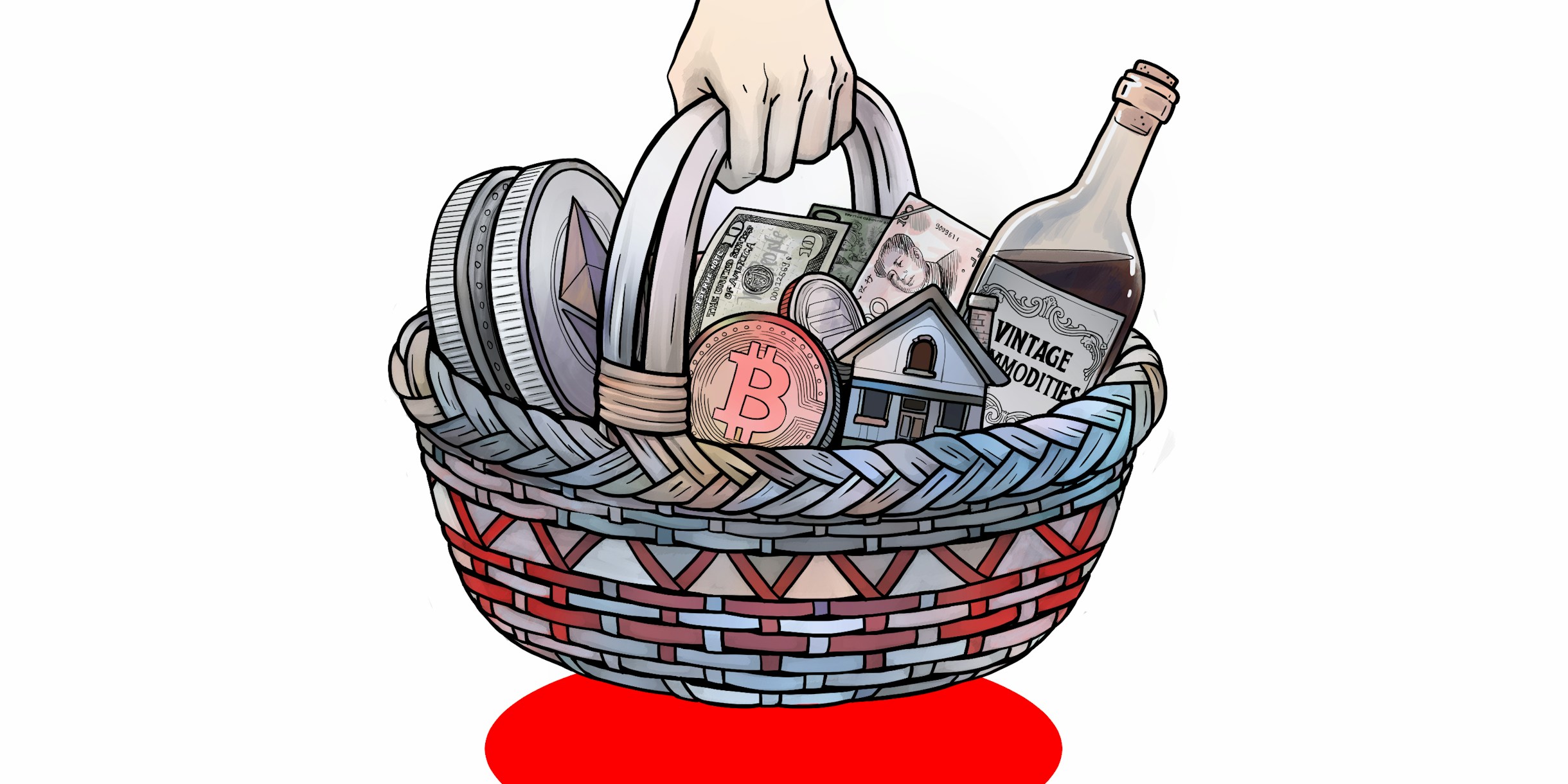
“We’re now facing almost 30 years of virtually free money that has been parked in various assets around the globe.”

Japan is now sitting on almost 30 years of deflation and the Japanese people have been the bearers of it all. The cost of living in Japan as well as cost of doing business has gone through the roof so in an attempt to normalize this off balance trade the Bank of Japan has now begun to raise interest rates from their artificial lows. The BOJ believes this will stabilize the currency and reduce the import costs for businesses and every-day Japanese citizens. There’s only one problem. What happens when the carry trade is no longer profitable for deeply leveraged investors if the interest rates on the yen outweigh the yield earned from foreign investment? This is called the unwinding effect and it has significant global implications.
Now that the interest rates are rising and the carry trade is not as beneficial as it once was, it is causing an unwinding of these assets and repatriation of Yen back to Japan. That means that assets all over the world, whether it be equities, real estate, cryptocurrency, or other foreign yield bearing instruments, are being sold at record levels and will continue to be sold until investors have gotten out of the losing trade. The more rapidly this happens across the globe, the more international markets will see sell offs and deleveraging events. This can have extremely large implications for all risk on assets and may cause continued down trends that we’ve already begun to see.
As of now, equity markets, especially that of the US, have already seen outflows the levels of which have not been matched in many years (think back to the 2000’s .com bubble and 2008 sub prime market crash). As global liquidity continues to shrink and the Yen is repatriated, we may be in for a longer bear market than we’re ready for. Pay attention to the geopolitical climate and what the US does in reaction to the carry trade unwinding. Secretary of the Treasury Scott Bessent has committed to buying back American treasuries and easing the pressure of the carry trade. If his plan is implemented, there may be a soft landing in our future.
Hosts Justin and Dingo discuss the CLARITY Act, the US government's major effort to define how crypto - especially stablecoins - fits into the traditional financial system.
Justin Roberti and Dingo dig into the SEC's tokenized-stock approval, mounting stress in private credit, and what it all means for decentralization. They also cover AI's impact on software lending and give an update on Saffron's ongoing vault testing.
Justin Roberti and Dingo break down the Drift Protocol exploit and how social engineering, not just code, keeps taking DeFi down. They also cover Dingo's takeaways from EthCC, from institutional adoption to the tension between permissioned finance and DeFi's roots.